Domestic Energy Assessor Equipment
Having the right Domestic Energy Assessor equipment is crucial for producing accurate Energy Performance Certificates (EPCs). Whether you’re starting your journey as a new DEA or are a seasoned professional, having the correct tools ensures efficiency, accuracy, and professionalism in your assessments.
In this guide, we’ll cover the essential starter kit for new DEAs and the advanced tools that experienced assessors can use to take their services to the next level.
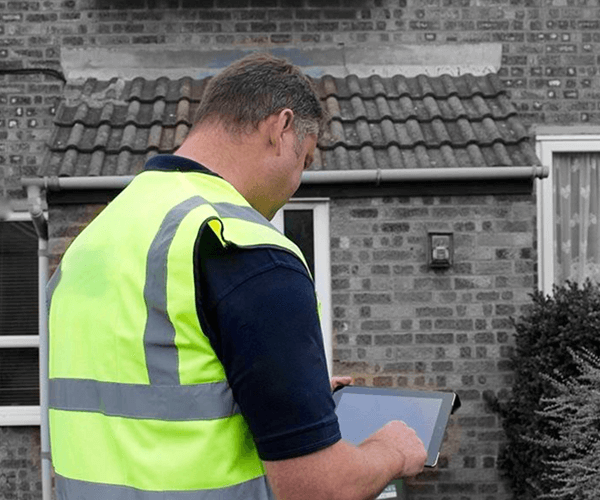
Why the Right Equipment Matters
Using reliable equipment is not just about accuracy—it also saves time and boosts your credibility. From taking measurements to capturing property images, each tool plays a vital role in creating a thorough and compliant EPC.
Starter Kit for Domestic Energy Assessments
Starting as a DEA? Your starter kit doesn’t have to break the bank. Here’s a list of essential tools to get you started.
If you click on the item name or the image this will take you directly to the product listing on Amazon*.
💡 Tip: Take advantage of Amazon Prime’s free 30-day trial for complimentary next-day delivery on all your essential tools! You can sign up here
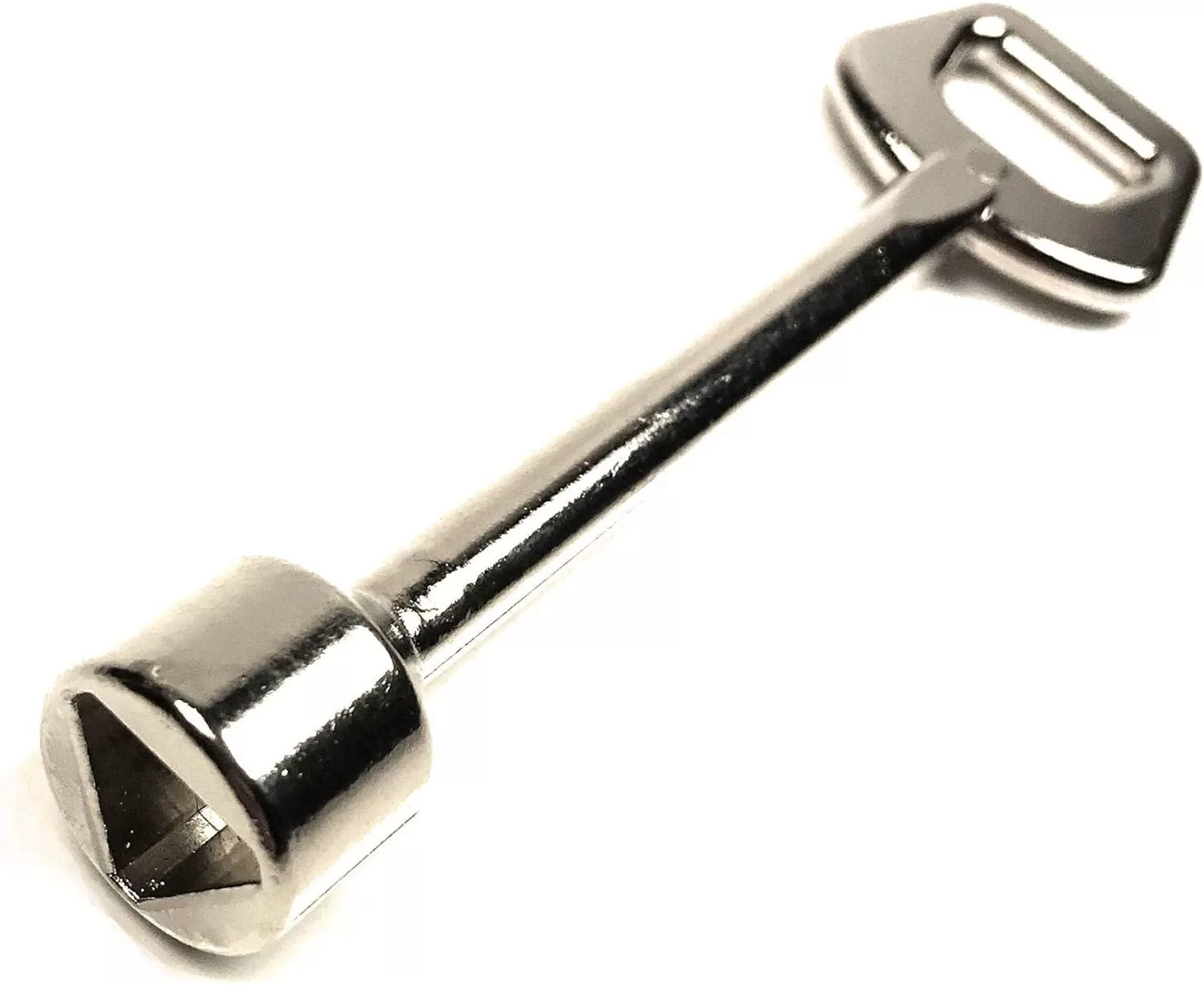

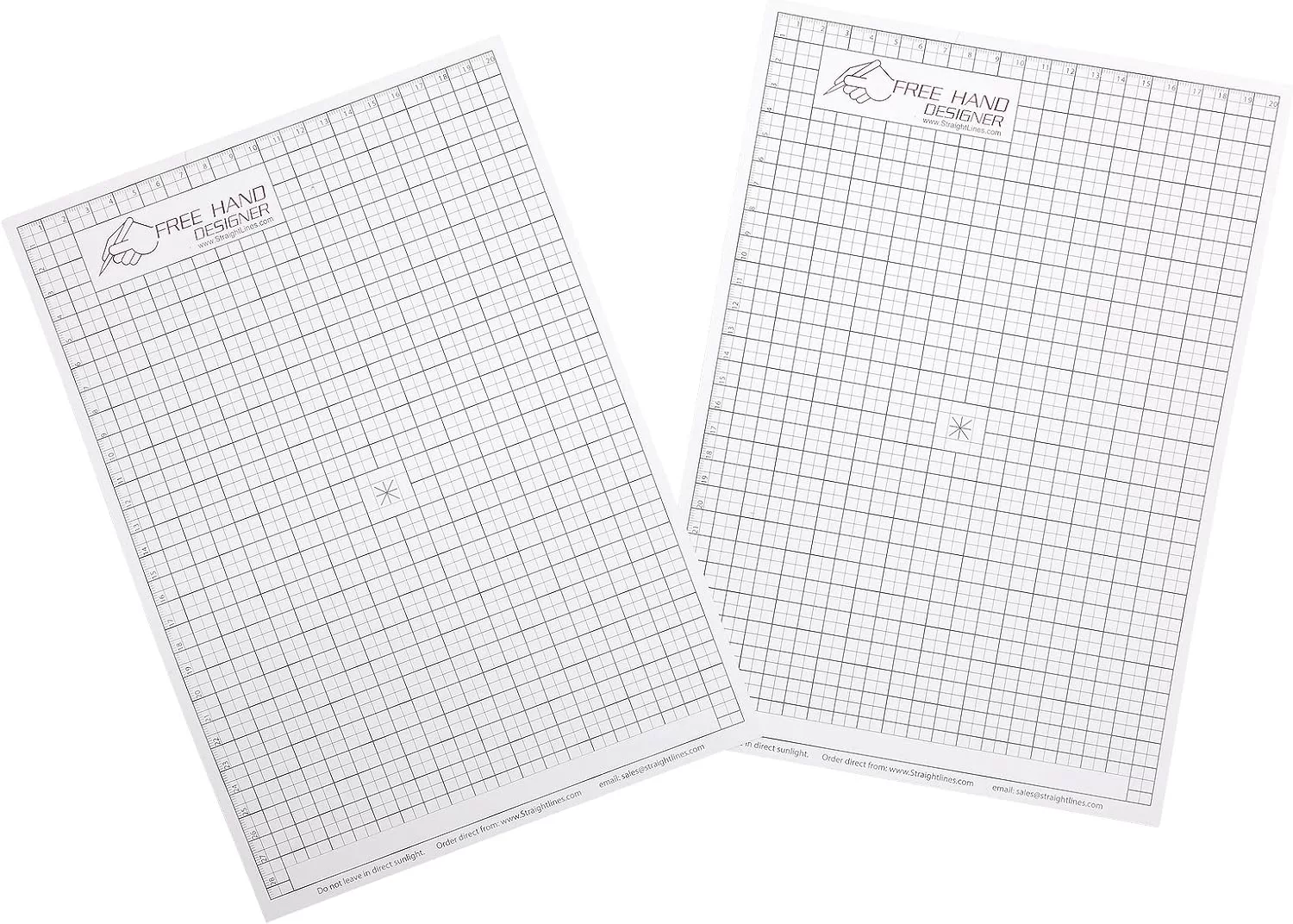
Draw horizontal and vertical straight lines freehand when placed under a plain sheet of paper.


Advanced Kit
These are items that can be added to your equipment for domestic energy assessments as you become more established as a Domestic Energy Assessor in your local area. Some of these may require a significant investment so this should be carefully considered as part of your business plan. Some of them are only useful if you up skill to become a Retrofit Assessor, they are marked with an asterix.
Enhance Your DEA Skills with Mentoring
Whether you’re training to become a DEA, have recently qualified, or are already experienced, our mentoring programme is tailored to your needs.
With over 10 years of industry experience, we provide:
Practical tips to streamline your assessment process.
Guidance to improve report quality and compliance.
Techniques to increase your productivity and profitability.
Our mentoring services are your pathway to success in the energy performance certificate business. Whether you’re just starting or looking to refine your skills, we’re here to help.
Contact us today to schedule a consultation and take the next step in your DEA journey.
*Please note as an Amazon Associate we do earn a small commission fee from qualifying purchases made using our links.
Detailed DEA Equipment Breakdown
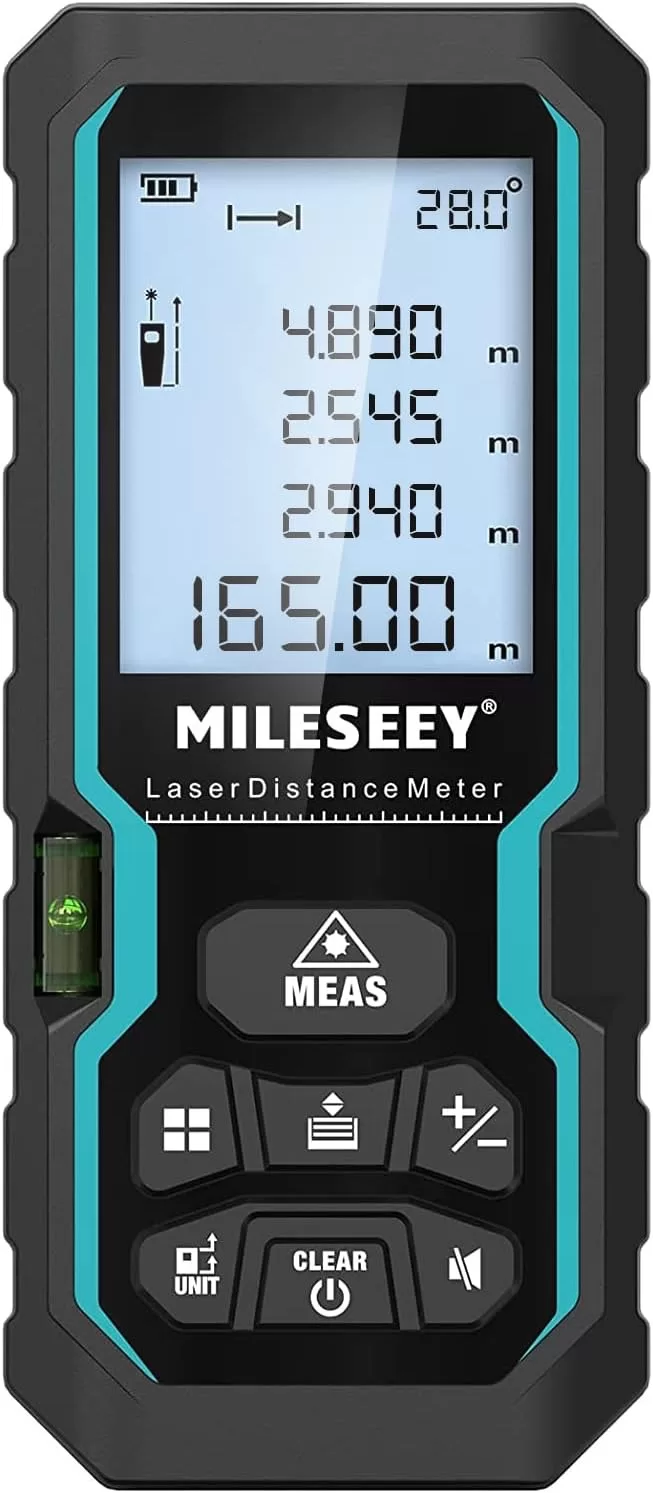
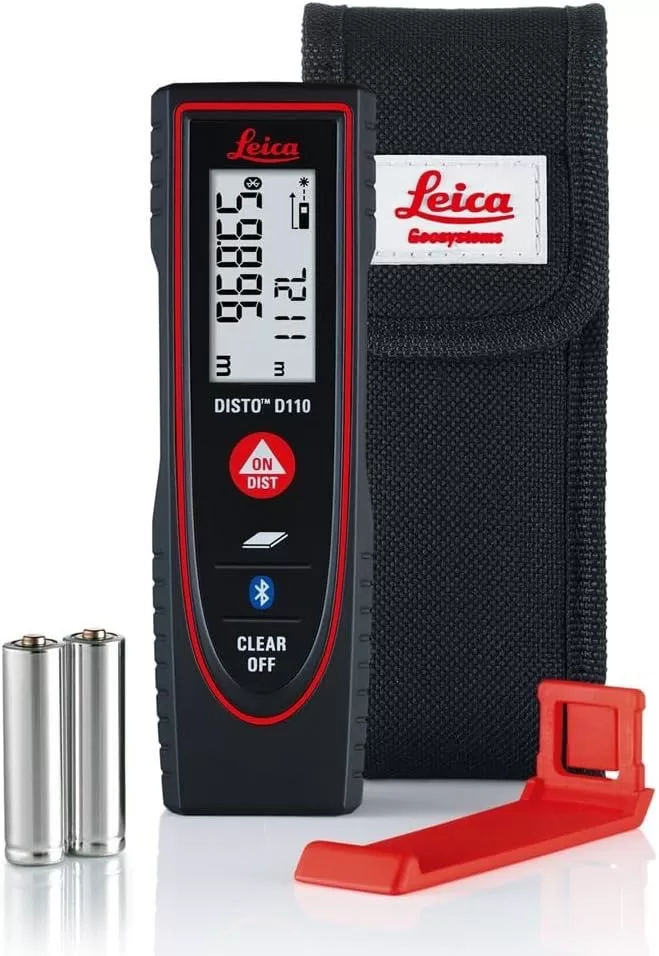
Laser Distance Measurer
- What it does: gives you a fast, accurate room and wall measurement without unrolling a tape.
- Why it matters: speeds up every assessment and keeps your report accuracy consistent.
- Tip: carry spare batteries, a dead laser measure mid assessment is a common hold-up.
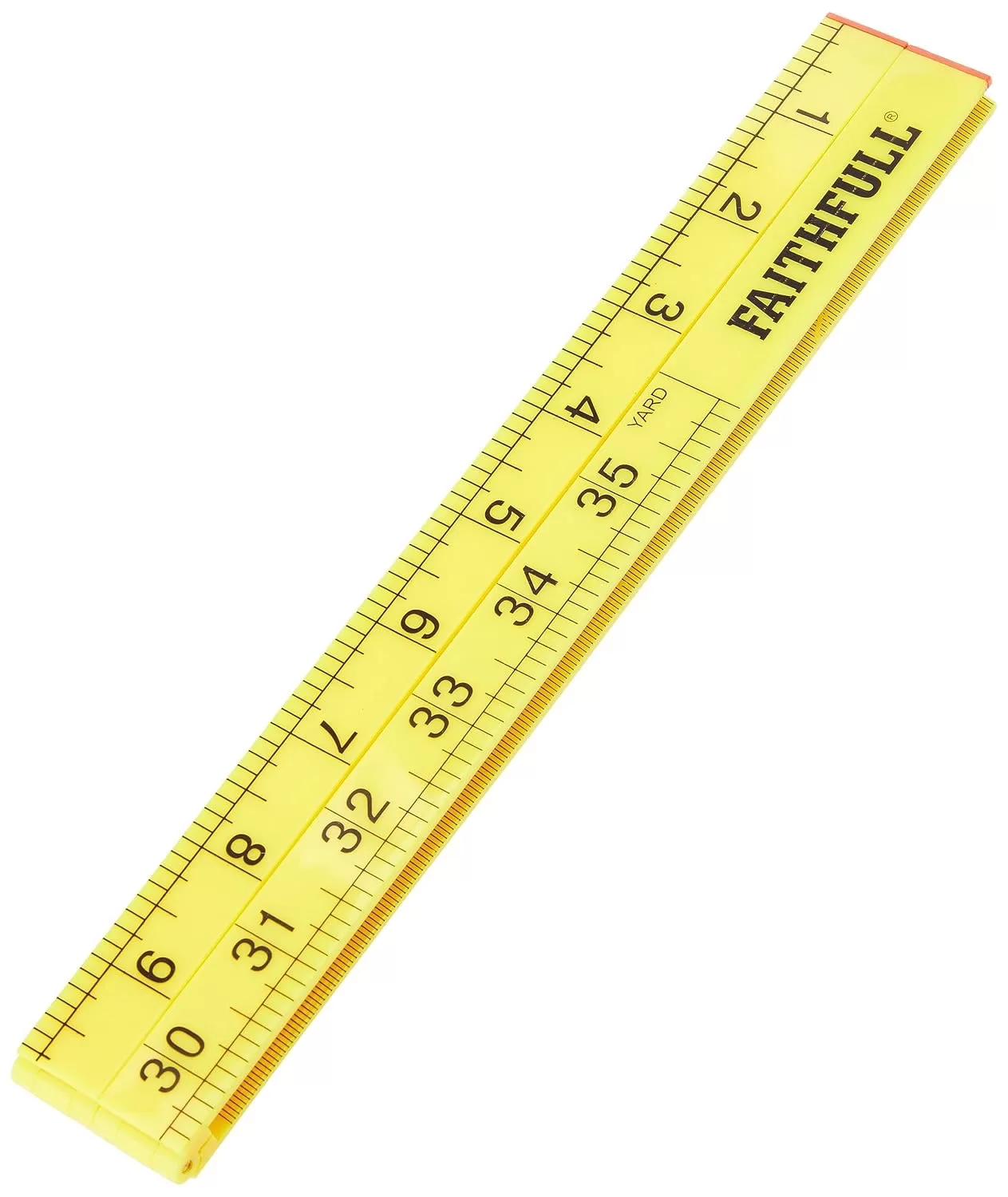
Folding Carpenter’s Ruler
- What it does: measures wall thickness and loft insulation depth.
- Why it matters: holds its shape where a tape measure flops, so readings are quicker to take one-handed.
- Tip: stand it upright in loft insulation, it makes the depth much easier to photograph clearly.
Tape Measure
- What it does: a manual backup for wall thickness and loft depth readings.
- Why it matters: useful when a folding ruler won’t fit the space.
- Tip: a 5m or 8m tape covers most domestic properties.
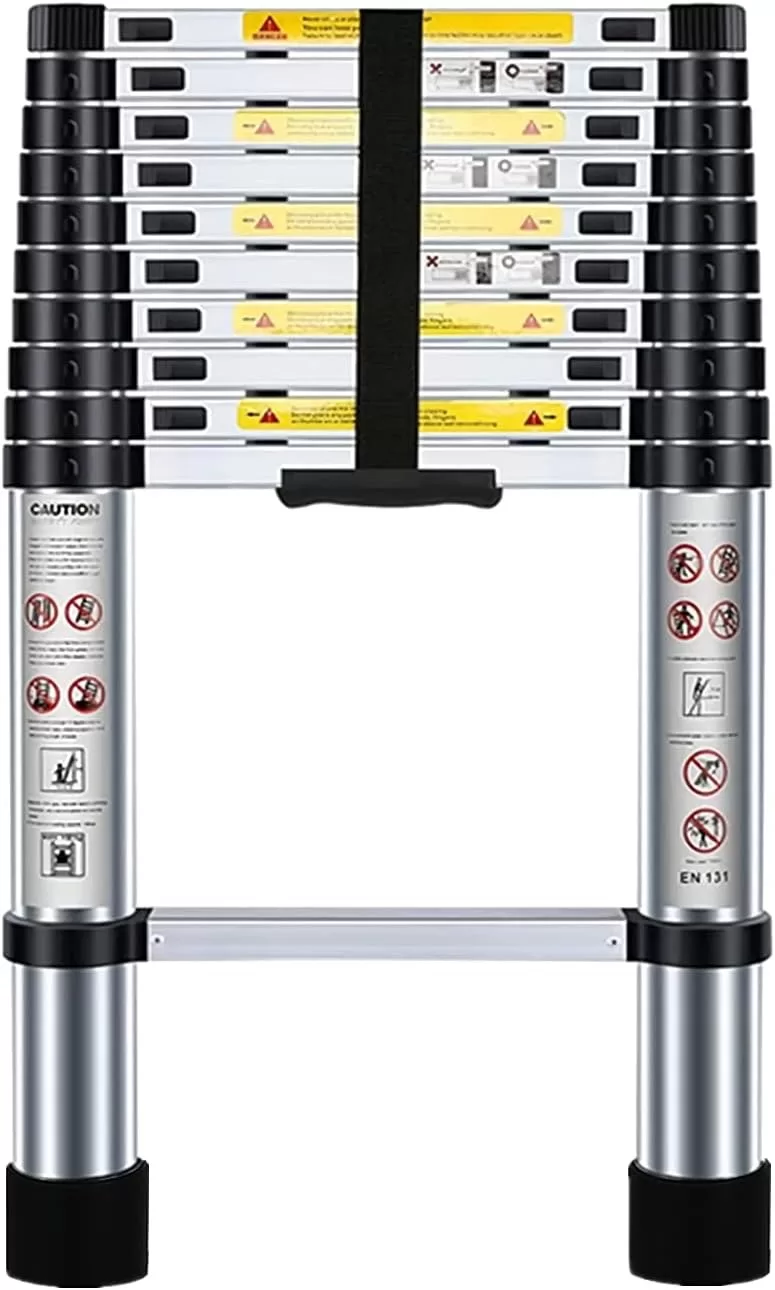
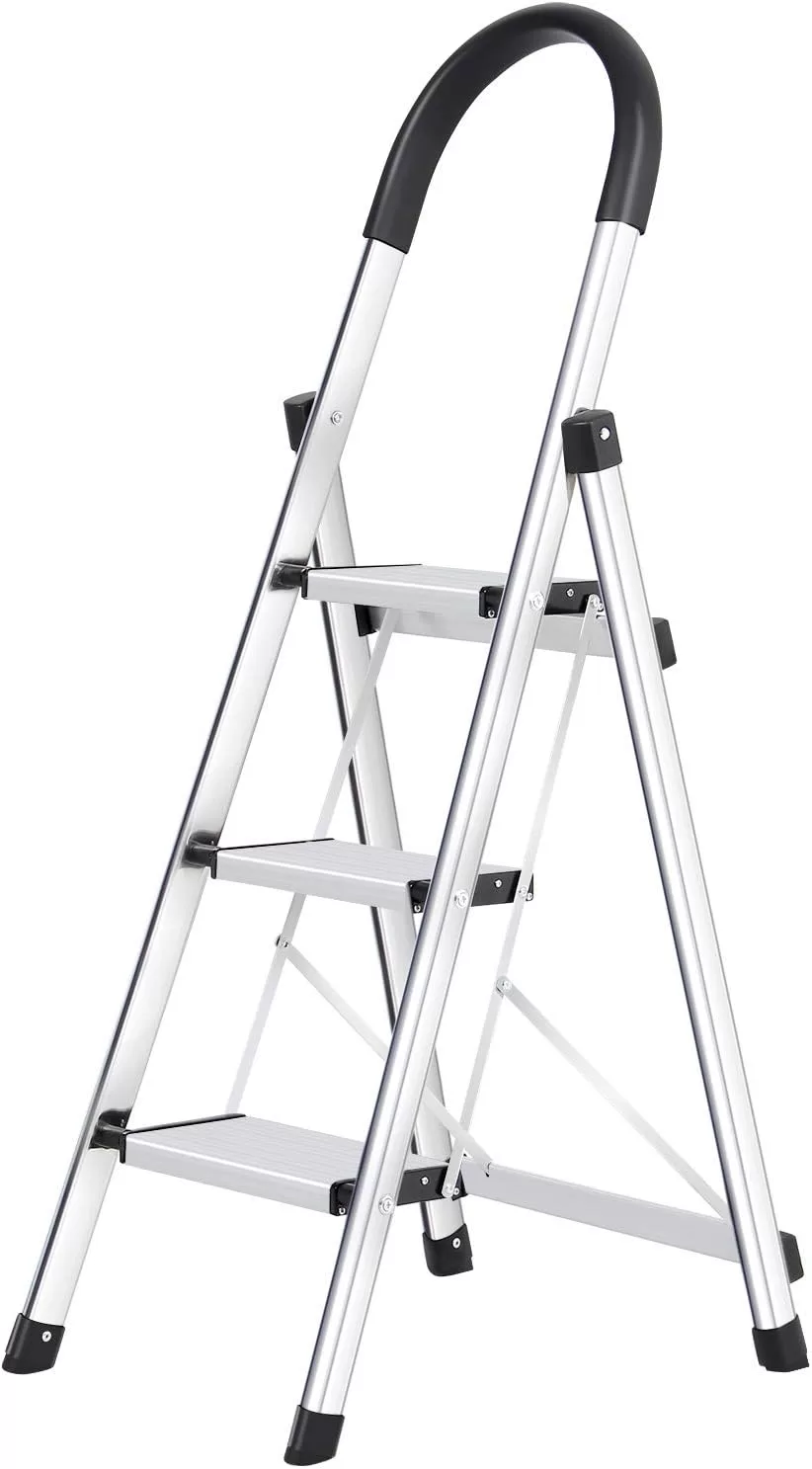
Extending Ladder
- What it does: gets you safely up to loft hatches.
- Why it matters: a properly rated, stable ladder is a basic safety requirement on site, not optional kit.
- Tip: check it’s fully locked before you climb, and mind your fingers when folding it away.
Torch
- What it does: lights up lofts, cupboards, and other low-light spaces.
- Why it matters: proper lighting means you don’t misread a feature or miss something in a dim corner.
- Tip: go for a compact, rechargeable LED torch, it’s one less battery type to keep spares of.
Dust Mask
- What it does: protects you from dust and debris in lofts and roof spaces.
- Why it matters: basic hygiene and safety on every site visit.
- Tip: keep several in the kit and swap them out regularly.
Overshoes
- What it does: stops dirt and debris being tracked into a client’s home.
- Why it matters: it’s a small thing that makes a big difference to how professional you look on the doorstep.
- Tip: put them on before you’re through the front door, not after.
Bump Cap
- What it does: protects your head in lofts and under low beams.
- Why it matters: cuts the risk of a minor injury that’s entirely avoidable.
- Tip: a lightweight one won’t slow you down over a long day of assessments.
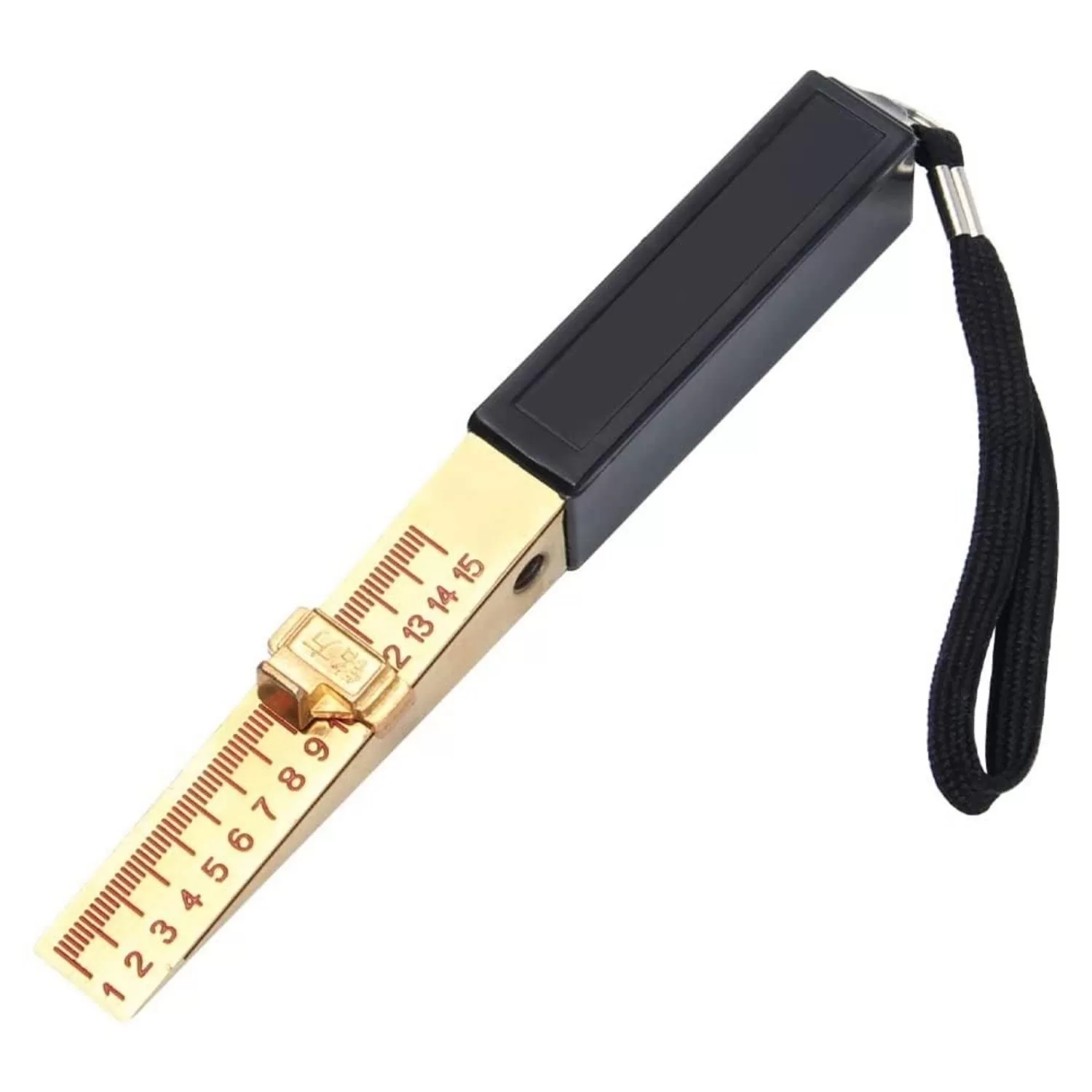
Glazing Gap Gauge
- What it does: measures the width of a window’s glazing cavity accurately.
- Why it matters: gets your insulation performance figures right on the report.
- Tip: keep it clean, a dirty gauge can throw the reading off.
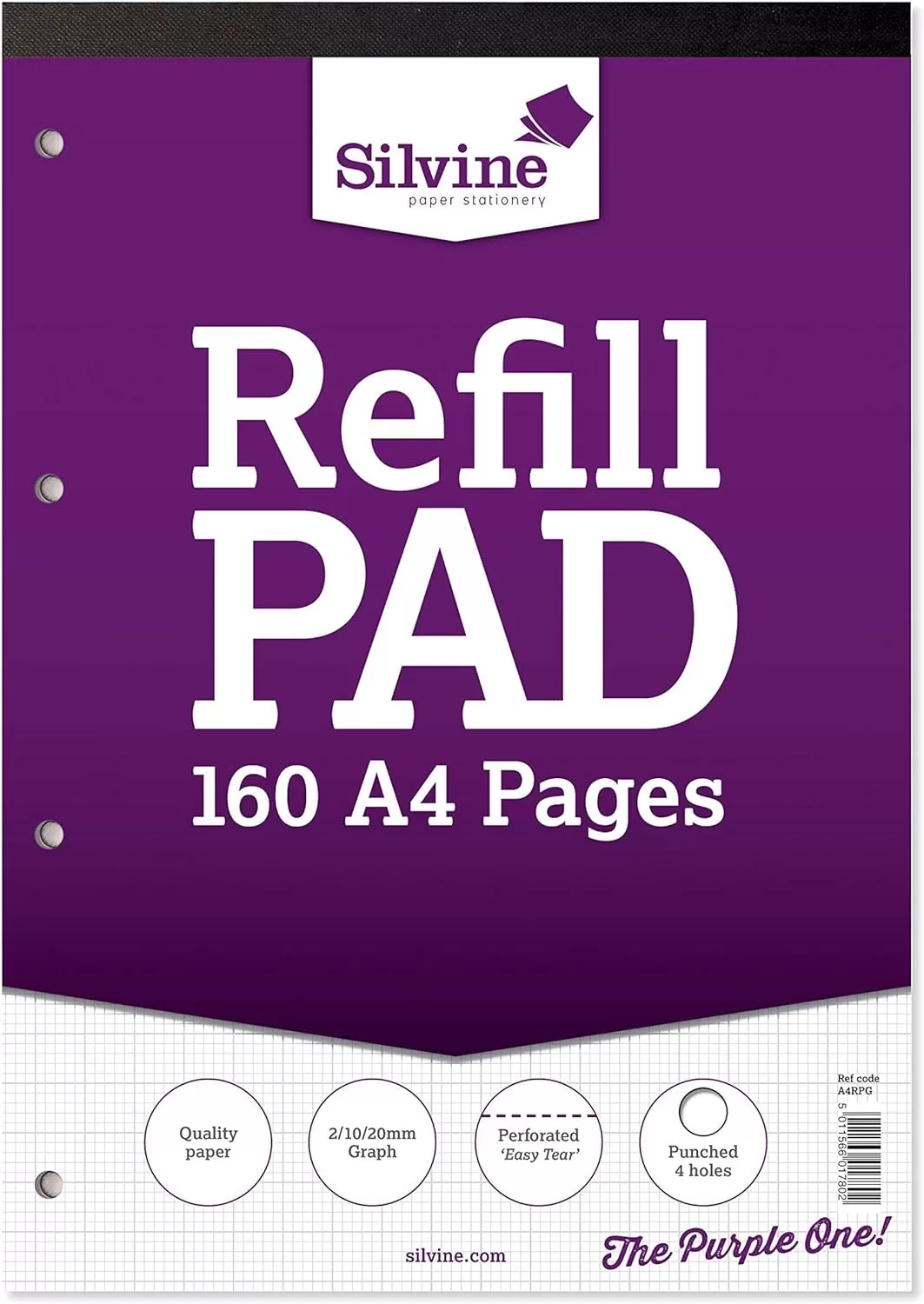
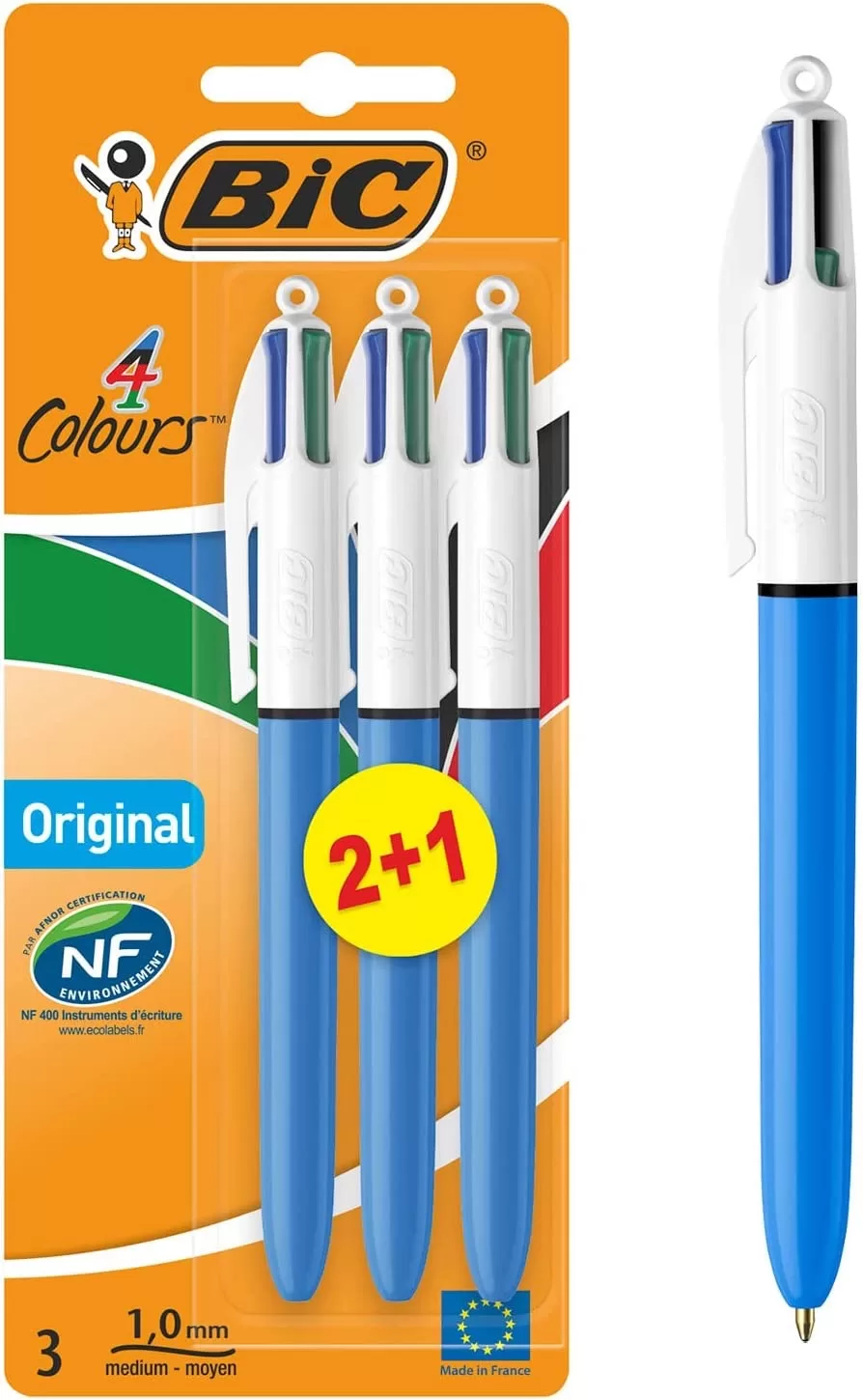
Graph Paper and Coloured Pens
- What it does: lets you sketch floor plans and note measurements by hand on site.
- Why it matters: a reliable backup even when you’re working digitally.
- Tip: colour code your annotations, for example by room feature, so your notes are quick to read back later.
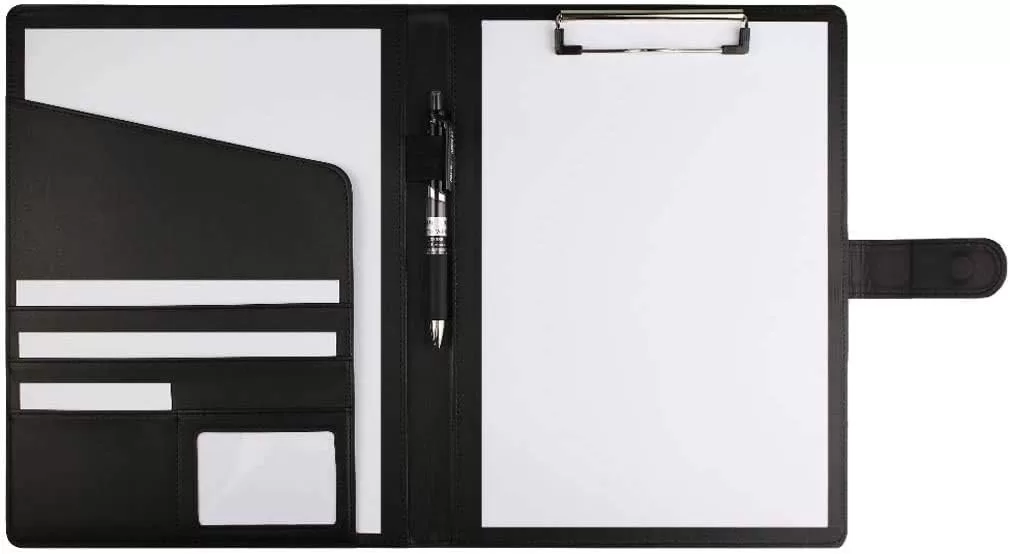
Folders and Wallets
- What it does: keeps paperwork and certificates organised while you’re on site.
- Why it matters: fewer lost documents and a tidier process end to end.
- Tip: a laminated reference sheet of conventions tucked inside is handy for quick checks.
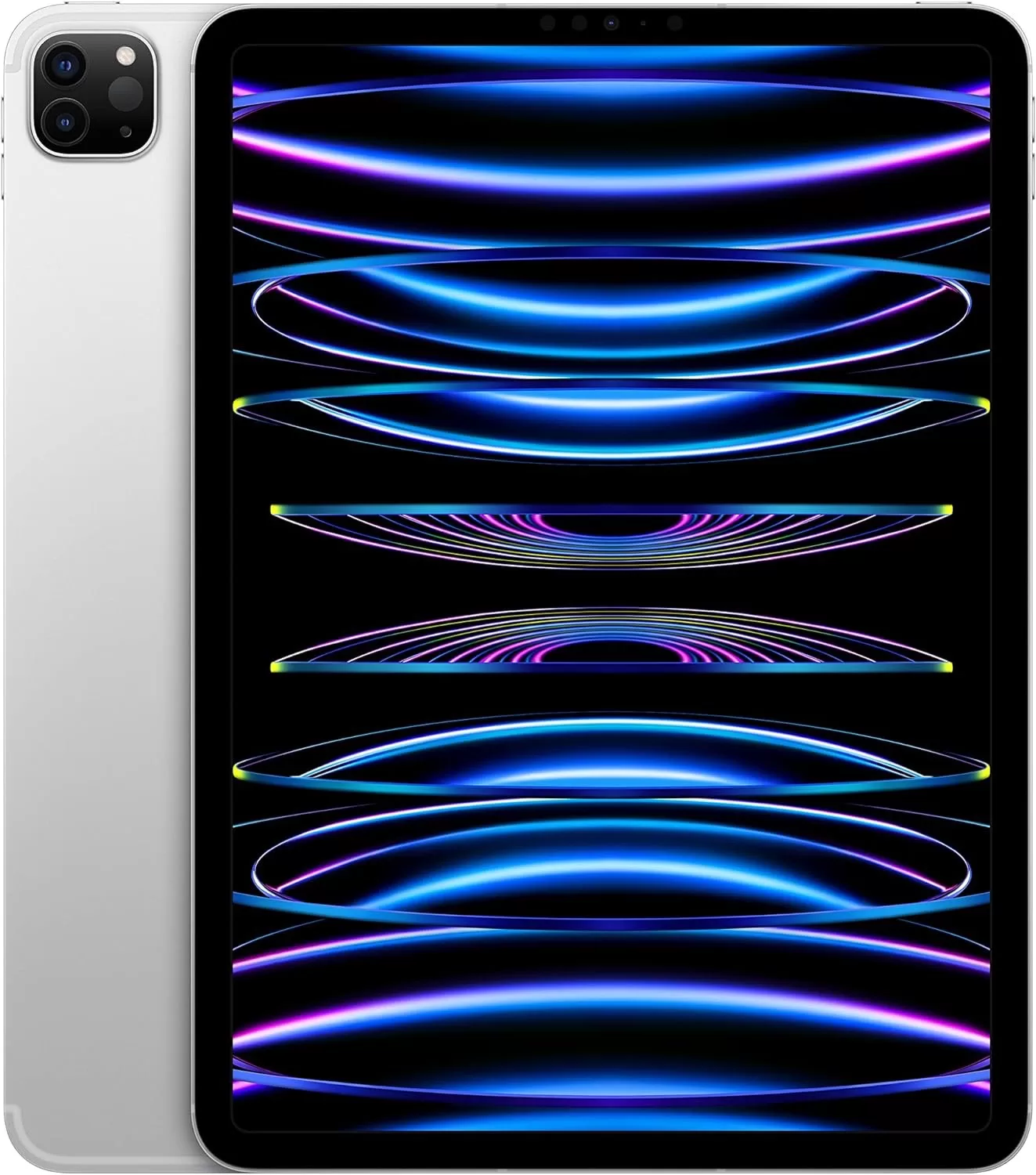
iPad or Tablet
- What it does: lets you complete reports, capture floor plans, and record notes digitally on site.
- Why it matters: less paperwork, fewer transcription errors, and a faster turnaround.
- Tip: use a rugged case and back your data up regularly.
How to Use Your DEA Equipment Effectively
- Plan your route before you start. Check the floor plan and decide your measurement route before you step through the door.
- Match the tool to the job. Laser measure for open rooms, folding ruler or tape for wall and insulation thickness.
- Finish each room before moving to the next. Take every measurement first, then record heating, lighting, windows and insulation while you’re still in that room, so nothing gets missed.
- Keep PPE within reach. Dust mask, bump cap and torch ready before you go anywhere near a loft.
- Protect the property. Overshoes on the moment you’re inside, to keep floors and carpets clean.
- Record as you go. Enter data on your tablet on site rather than transcribing notes later.
- Look after your kit. Check ladders, clean lenses, and store equipment properly between jobs.
One-to-one DEA mentoring can help you turn this into a routine that becomes second nature, right from your first assessment.