EPC Rating Matters More After the Energy Price Cap Rise

Energy bills just went up 13%, and your EPC rating decides how much that costs you

From 1 July 2026, the Ofgem energy price cap for a typical direct debit household rose to £1,862 a year, up from £1,641, a 13% increase driven mainly by higher wholesale gas costs. That is not a bill you can opt out of if you are on a standard variable tariff, but it is a bill your home’s efficiency has a direct say in. Two identical sized homes on the same tariff, in the same postcode, can end up hundreds of pounds apart depending on their EPC rating. If yours has not been reviewed in a few years, this is the moment it starts to matter financially, not just administratively.

The frustrating part for a lot of homeowners and landlords is that a price cap rise feels like something that just happens to you. The reality is more useful than that: the cap sets the maximum unit rate you can be charged, but your actual bill is driven by how much energy your home needs to stay warm and lit. That is exactly what an EPC measures. This article sets out what changed on 1 July, why gas heavy homes are hit hardest, and where an EPC review actually points to savings rather than just a certificate on file.

energy bill affected by 2026 energy price cap rise

What actually changed on 1 July 2026

Ofgem confirmed a 13% rise to the energy price cap on 27 May, taking the typical dual fuel direct debit household from £1,641 to £1,862 a year. The increase is not even across fuels: gas unit rates rose by around 24%, while electricity rose by roughly 5%. That split matters more than the headline number.

If your home relies heavily on gas central heating and has an older or poorly insulated fabric, this rise hits you harder than a typical modern flat with efficient heating and good insulation. This is precisely the kind of difference RdSAP 10 is designed to capture in an EPC: the modelled energy cost per square metre reflects fabric performance and heating type, not just floor area.

Why two similar homes can have very different bills

A common misconception is that EPC ratings are a rough guide, and that two similar sized houses will cost roughly the same to run. In practice, the gap can be significant. A 1930s semi with cavity walls that were never filled, single glazing, and an older gas boiler will use considerably more energy for the same internal temperature than a comparable home with cavity fill, double glazing, and a modern condensing boiler.

On a recent assessment in an older semi in Buckingham, the loft insulation looked reasonable from the hatch, but once inspected properly it was patchy and well below current recommended depth in several sections. That gap alone was enough to shift the modelled heating demand noticeably, and with gas prices up 24% this quarter, that is the sort of detail that now has a real pound sign attached to it.

Where an EPC review points you first

An EPC is not just a rating on a page. The recommendations section is ordered, generally starting with the changes that offer the best return for the cost involved. For most homes assessed under RdSAP 10, that tends to mean:

  • Loft insulation topped up to current recommended depth
  • Cavity wall insulation, where the construction type suits it
  • Heating controls, such as thermostatic radiator valves and a room thermostat
  • Draught proofing around doors, windows and letterboxes

These are usually the lowest cost, fastest payback measures, and with gas rates up sharply this quarter, the payback period on several of them has effectively shortened.

loft insulation assessed for EPC rating

What this means for landlords specifically

Landlords already have a reason to take EPC ratings seriously beyond bills: Minimum Energy Efficiency Standards currently require a minimum E rating for most tenancies, and proposed changes would raise that threshold in the coming years. An energy price cap rise adds a second, more immediate pressure. Tenants in poorly performing properties are the ones who feel a 24% gas price rise most directly, and that increasingly shows up in enquiries, complaints and void periods for landlords with underperforming stock.

rental property EPC rating and minimum energy standards

Getting the sequencing right

It is worth resisting the urge to spend on the most visible improvement first. Solar panels and new boilers are popular choices, but if the property still has poor loft or wall insulation, some of that new heat is simply escaping faster than it needs to. A proper EPC assessment sets out the recommended order for a reason: fix the fabric first, then the heating source, then consider generation.

Looking for Guidance?

If your EPC has not been reviewed since prices last spiked, or you are unsure where your home’s rating actually stands, get in touch. A fresh assessment will show you exactly where the modelled cost is coming from, and what genuinely moves the needle. Get in touch using the form below.

Address of the property requiring the EPC
Number of Bedrooms (Select One)
=

Energy Price Cap FAQs

What is the fastest EPC improvement to make right now?2026-07-20T12:34:52+01:00

For most homes, topping up loft insulation and improving heating controls tend to offer the quickest, lowest cost improvement in rating and running costs, though the right first step depends on the property’s construction.

Is the price cap the same as my actual bill?2026-07-20T12:34:31+01:00

No. The price cap sets the maximum unit rate and standing charge a supplier can charge on a standard variable tariff; your actual bill still depends on how much energy your home uses.

How old can my EPC be before it stops being useful?2026-07-20T12:33:28+01:00

An EPC remains legally valid for 10 years, but if your home has since had work done, or your bills feel out of step with the rating, it is worth having it reviewed rather than relying on an outdated snapshot.

Does a better EPC rating actually lower my energy bill?2026-07-20T12:32:51+01:00

A better EPC rating means the modelled cost of heating and lighting the home is lower, which generally does translate into lower bills. But the rating is based on standardised assumptions about occupancy and heating patterns, not how a specific household actually lives, so it’s an indicator of a property’s efficiency rather than a guarantee of what any individual’s bill will be.

Why did gas prices rise more than electricity in July 2026?2026-07-20T12:32:00+01:00

Ofgem’s July 2026 price cap update reflected higher wholesale gas costs, pushing gas unit rates up by around 24%, compared with roughly a 5% rise in electricity unit rates.

What is an EPC?2025-08-19T21:04:56+01:00

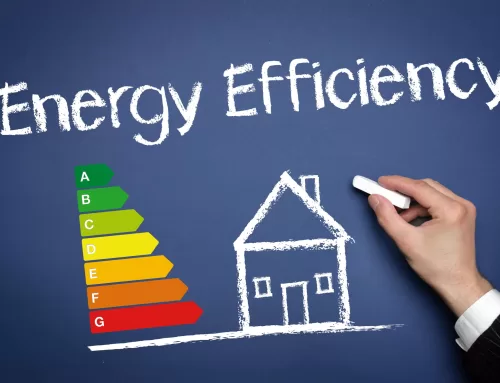
An Energy Performance Certificate (EPC) assesses a property’s energy efficiency and environmental impact, rating it from A (most efficient) to G (least efficient). EPCs provide guidance on energy-saving improvements and are required by law when a property is sold or rented.

How much does an EPC cost?2025-08-19T21:04:24+01:00

Costs vary depending on property size, type, and location. Bluewire Hub offers competitive rates, which include a full assessment and a certificate for legal compliance.

How long does an EPC assessment take?2025-08-19T21:03:59+01:00

A typical EPC assessment takes 45–90 minutes, depending on property size and complexity. The assessor inspects all rooms, heating systems, insulation, and energy-using features to produce an accurate rating.

Do I need an EPC if I am letting my property?2025-08-19T21:08:25+01:00

Yes. Landlords must provide a valid EPC to tenants before renting. Failure to comply can lead to fines. EPCs also help attract tenants by demonstrating energy efficiency.

Can I combine a floor plan with my EPC appointment?2025-08-19T21:06:28+01:00

Yes. Scheduling a floor plan alongside an EPC is efficient, reducing multiple visits and providing a comprehensive overview in one appointment.

EPC and smart meters – do they affect your energy rating?2025-08-19T21:10:58+01:00

EPC and smart meters are now linked under RdSAP 10, with smart meters recorded as part of the assessment. However, having a smart meter installed does not currently influence the EPC rating or band your property receives.

This is because Energy Performance Certificates are based on the building’s construction, insulation levels, heating systems, and overall energy cost assumptions — not on the way energy is used or monitored. A smart meter helps you track real-time usage and may encourage better energy habits, but it doesn’t affect how efficient your home is from a fabric and systems perspective.

Under the RdSAP 10 methodology, the presence of a smart meter is noted for reference on the certificate, much like solar panels or battery storage. It provides a more complete picture of the home’s energy features but does not impact the calculated running costs that determine your score. It is vital that the assessor is able to access your meters in order to record the correct meter type on the assessment.

Looking ahead, smart meters could play a more active role in future EPC versions, especially as time-of-use tariffs and smart energy management become more widespread. For now, they are recorded but don’t carry any weight in the final EPC result.

Battery storage and EPC ratings – are systems included and do they affect the score?2025-08-19T21:10:50+01:00

Battery storage and EPC ratings are now more closely connected following changes introduced under RdSAP 10. Domestic battery systems — typically installed alongside solar photovoltaic (PV) panels — are now recorded as part of the EPC assessment. This allows assessors to capture a fuller picture of your home’s energy features.

However, even though battery storage is included in the assessment, it usually has little to no impact on the actual EPC rating. This is because EPCs are based on modelled energy costs rather than actual usage or carbon savings. Unless a battery is specifically set up to reduce electricity demand during peak hours, it does not significantly lower the estimated energy cost used in the rating calculation.

Most battery systems store excess solar energy for later use, which can be very effective in practice. But because they don’t always show a measurable cost saving in the EPC model, they rarely improve the rating band.

That said, including battery storage in the EPC provides transparency and may become more relevant in future. As software improves and time-of-use tariffs become more common, smarter battery systems could eventually play a more influential role in determining a property’s energy performance rating meaning there is a better link between battery storage and EPC ratings.

What are the EPC lighting changes under RdSAP 10?2025-08-19T21:11:11+01:00

EPC lighting changes under RdSAP 10 mean the way lighting is assessed for Energy Performance Certificates (EPCs) has changed significantly to improve accuracy. Unlike previous versions where lighting was evaluated based on the type of light bulbs in each fittings, assessors now count every individual light bulb in the property. Each bulb is recorded and classified according to its type whether it is an LED, CFL, or incandescent bulb.

This more detailed approach means the EPC calculations can better represent the actual energy use of lighting in the home. By identifying the number and types of bulbs, the EPC model can differentiate between energy-efficient lighting, such as LEDs, and less efficient options like incandescent bulbs. The software now calculates lighting efficiency based on the proportion of low-energy bulbs (such as LED or CFL) to the total number of bulbs in the home. Properties with a higher number of inefficient bulbs (e.g. halogen or incandescent) may now see a slightly lower EPC score than under the previous methodology.

The EPC lighting changes change reflect the widespread adoption of low-energy lighting in UK homes while still accounting for any remaining inefficient bulbs. This allows homeowners to see how lighting choices impact their energy performance rating and encourages upgrading to more efficient options where possible.

By moving away from assumptions based on fittings and focusing on actual bulbs, RdSAP 10 provides a more realistic and tailored assessment. This contributes to an EPC that better represents a property’s current energy use, helping homeowners understand where energy savings can be made and improving the overall reliability of the certificate.

What is involved in the EPC inspection process, and will it cause disruption?2025-08-19T21:11:21+01:00

Th EPC inspection process involves a full walk-through of the property and requires access to all areas, including every room, the loft, boiler, hot water systems, and energy meters. This is necessary to collect the data required under RdSAP 10 and to ensure the final rating is accurate and compliant.

The visit is non-invasive so the assessor will not be drilling walls, lifting floor boards, or opening boiler casings as part of the process. The visit should cause minimal disruption to the occupier, and the building. The assessor won’t carry out any work or alterations, but they will need clear access to inspect walls, measure windows, assess heating controls, and evidence any insulation where visible. If access to areas like the loft hatch or boiler cupboard is blocked, this may affect the assessment, as either, assumptions have to be made, or the assessor may have to arrange to visit again once the access has been cleared.

Having paper work to clarify details around solar PV systems, window installation dates and cavity wall insulation can be beneficial.

In most cases, the assessment takes between 45 and 90 minutes depending on the property’s size and complexity. Being prepared and allowing easy access helps the visit run smoothly.

You can read more about the EPC inspection process here. 

Should I get an updated EPC after improvements to my property?2025-08-19T21:11:48+01:00

Updated EPC after improvements is advisable if you’ve made changes to your home’s energy performance. While your original certificate remains valid for 10 years, it reflects the condition of the property at the time of the assessment. Any upgrades carried out after that date — such as new insulation, a replacement boiler, or solar panels — won’t be reflected in your current rating.

This also applies if you’ve made structural changes to the property. For example, if you’ve added an extension, converted a loft or garage, or significantly altered the layout, these changes may affect how heat is retained and distributed in the home. An updated EPC will take account of the increased floor area, new heating zones, window types, and insulation levels introduced during the work.

Having an updated EPC allows you to demonstrate the full benefits of these improvements, which can positively influence your property’s marketability, compliance with future legislation, and eligibility for grants or funding schemes. For landlords, this is particularly relevant if the changes could bring the property closer to, or above, the proposed Band C rating required for new tenancies from 2025.

An updated assessment can also help highlight any remaining areas for improvement and ensure your energy rating reflects the current state of the property, rather than outdated assumptions.

If you are a landlord, or homeowner, looking for advice around improving your EPC rating have a read of our article here.

How does my EPC rating impact on property value or letting potential?2025-08-19T21:12:01+01:00

EPC rating impact on property value is increasingly important in today’s property market. A higher Energy Performance Certificate (EPC) rating can improve a home’s appeal to prospective buyers and tenants, who are becoming more aware of energy efficiency, running costs, and environmental impact.

Properties with better EPC ratings are often associated with lower utility bills and a more comfortable living environment — factors that directly influence purchasing and rental decisions. In competitive markets, a higher rating can give your property an edge over similar homes with lower energy performance.

Lenders are also taking note. Some mortgage providers now offer preferential products for homes with higher EPC ratings, recognising that energy-efficient properties may carry lower financial risk due to reduced household expenditure.

For landlords, the EPC is more than a selling point — it’s a legal requirement. From 2025, all newly rented properties in England and Wales are expected to require a minimum Band C EPC rating, with potential fines for non-compliance. Upgrading your property now not only ensures legal readiness but can also help secure tenants who are actively seeking energy-efficient homes.

Assessing the EPC rating impact on property can also help safeguard your investment in the long term. As legislation becomes more focused on sustainability, and buyers become more energy-conscious, properties with poor EPC ratings may become harder to sell or let. Taking steps to enhance energy performance now can help future-proof your property against tightening standards and rising energy costs.

Can I query my EPC if something seems incorrect?2025-08-19T21:12:11+01:00

Can I query my EPC if I believe the EPC contains errors or does not accurately reflect your property? Absolutely you can query or appeal the rating. The first step is always to contact the assessor who carried out the survey. In the first instance have a conversation with them to highlight your concerns or questions. If you aren’t satisfied they will have a formal complaints policy so you can ask them how can I formally query my EPC.

Assessors are required to keep detailed evidence and records of the inspection and may be able to clarify the entry and if required correct any mistakes and reissue the report if appropriate. Remember that the assessor isn’t able to take your word for an element that you are disputing, there must be clear documentary evidence to substantiate the claim. This is particularly important when discussing floor or ceiling insulation that may not be easily accessible.

If the issue is not resolved, you can escalate your concern to the assessor’s accreditation scheme. These bodies have procedures to investigate complaints and may carry out audits or require reassessments.

It’s important to act promptly, as the validity of your EPC remains for 10 years regardless of appeals. Correcting inaccuracies can help ensure your property is correctly valued and compliant.

Are renewable systems such as heat pumps, solar panels included?2025-08-19T21:12:17+01:00

Renewable energy systems — including heat pumps, solar photovoltaic (PV) panels, and solar thermal systems — are included in EPC calculations. Under RdSAP 10, these renewable systems are assessed in greater detail than before, with improved modelling for system type, efficiency, and interaction with your home’s heating and electricity demands.

However, EPC ratings are based on calculated energy running costs, not carbon emissions. This means the actual impact on your EPC band depends on how much the renewable system reduces those estimated costs.

  • Heat pumps can improve an EPC rating if they replace less efficient heating systems.

  • Solar PV systems are now modelled more accurately under RdSAP 10. The rating considers system size, orientation, overshading, and whether the system is connected to the properties supply. Having a Solar PV system is likely to improve your EPC rating.

  • Battery storage systems, while recorded, currently have little or no effect on the EPC rating.

  • Solar thermal systems can contribute positively as they typically offset a significant proportion of hot water demand, particularly in homes with high usage.

If you’re planning to install renewables, it’s best to consult a qualified EPC assessor beforehand. They can advise how the improvements are likely to be reflected in your rating.

How do I find a reliable, qualified EPC assessor?2025-08-19T21:12:24+01:00

Finding a reliable and qualified EPC assessor is key to receiving an accurate and trustworthy certificate. Always look for assessors who are fully accredited and trained in the latest RdSAP 10 procedures. You can search for qualified assessors on the government’s official EPC register.

Alternatively, you might consider a local provider with a strong reputation, such as Bluewire Hub Ltd, who stays current with evolving standards and has experience across many property types. This experience matters because properties differ widely in construction, heating systems, and renewables, and an assessor familiar with these variables can better reflect your home’s energy performance.

Before booking, check if the assessor holds valid accreditation, ask how long they have been a qualified EPC assessor, do they understand local building styles, and can they offer clear pricing and timelines.

What is the cost of a domestic EPC?2025-08-19T21:12:33+01:00

The cost of a domestic EPC should be between £96 and £175. This variation depends mainly on your property’s location, size, age, and layout complexity. For example, a small flat with straightforward construction will generally be at the lower end of the price range, while a large detached house with multiple heating zones and renewable systems may cost more.

The cost of a domestic EPC typically covers the assessor’s time spent researching prior to the assessment, the detailed data collection required under the latest RdSAP 10 standards whilst on site, and the time needed to prepare the report after the visit. While cheaper options may be available online, it’s important to choose an assessor with the right qualifications and experience to ensure accuracy and compliance with regulations.

The headline fee shown on UK-wide websites isn’t always the final amount you pay — it is often much higher. Using such platforms that advertise low fees often means the majority of what you pay goes to the website, not the local assessor who actually carries out the work. To ensure the assessor receives fair compensation and you receive a service tailored to your property, it is always best to contact a local accredited assessor directly.

How long does an EPC last?2025-08-19T21:12:45+01:00

How long does an EPC last?

An Energy Performance Certificate is valid for 10 years from the date of issue. There is no legal requirement to renew it within that time, unless you are selling or letting the property again—at which point a valid certificate must be in place.

However, we recommend updating your EPC if you’ve made significant energy improvements. This might include installing a new boiler, upgrading insulation, adding solar panels, or fitting an air source heat pump. A new EPC will reflect these changes and may result in a higher energy rating.

An up-to-date certificate not only helps when marketing a property but may also support compliance with future regulations or eligibility for funding schemes. Increasingly, we’re seeing mortgage lenders take EPC ratings into account, with properties that achieve higher ratings often qualifying for lower interest rates.

Why don’t EPCs usually recommend window replacements?2025-08-19T21:12:54+01:00

EPCs rarely recommend window replacements as a first measure because the efficiency gains are typically limited when compared to the high cost of installation.

While the EPC assessment does record window data in detail—including the width and height of each glazed unit, orientation, frame material, glazing type, age (if known), and the glazing gap—this information is primarily used to calculate overall heat loss rather than to justify replacement.

In most cases, the RdSAP 10 software wont recommend window replacements as replacing windows delivers a relatively small improvement in the property’s SAP score. Given the cost threshold that each recommendation must meet to be considered cost-effective, window upgrades are usually outperformed by measures such as improving insulation, upgrading the heating system, or adding heating controls. As a result, more impactful and cost-efficient improvements tend to appear first in the EPC recommendations list.

What is an Energy Performance Certificate (EPC) and why is it required?2025-08-19T21:13:04+01:00

An EPC shows how energy efficient a home is and is legally required when selling or letting residential property in the UK.
It rates the energy efficiency of a domestic property from A (most efficient) to G (least efficient). It includes estimated energy costs and tailored recommendations for improvement. EPCs are a legal requirement when a home is built, sold, or rented. They help prospective buyers and tenants understand running costs and inform decisions about upgrades and compliance.

What has changed under RdSAP 10 (from June 2025)?2025-08-19T21:13:13+01:00

RdSAP 10 changes include more detailed and precise data collection, leading to more accurate EPC ratings.
Key updates include:

  • All windows are now individually measured and assessed.

  • Insulation is recorded with more detail by location, type, and thickness.

  • Heating systems and renewable technologies are modelled more accurately.

  • Ventilation systems, including extractor fans and flues, are recorded in more depth.

  • Air tightness is now part of the energy modelling, and measured values can be entered where a valid certificate exists.

    These RdSAP 10 changes lead to more tailored and realistic EPC results. Assessments may take slightly longer, but the final rating will better reflect the true performance of the property.

Does the EPC include recommendations to improve energy efficiency?2025-08-19T21:13:25+01:00

Yes, EPCs suggest improvements that balance cost and energy savings using current data and modelling.

Energy efficiency recommendations are generated automatically by the RdSAP 10 software based on data collected during the EPC assessment. These suggestions can include upgrades such as improving insulation, replacing an older boiler, or installing renewable technologies like solar panels or heat pumps.

To be included, energy efficiency recommendations must show they can improve the property’s energy rating by at least one point on the SAP scale. The software then prioritises them by cost-effectiveness, using typical installation costs and the expected improvement in energy performance.

However, it’s important to note that these recommendations do not take into account practical factors specific to the property—such as planning restrictions, available space, or individual preferences. They are intended as standardised guidance based on the data gathered, and further advice may be needed to determine what is truly suitable in each case.

Who is legally required to have an EPC for a home?2025-08-19T21:13:38+01:00

Understanding who needs an EPC is essential for anyone involved in selling or renting property in the UK. Under the Energy Performance of Buildings Regulations, both homeowners and landlords are legally required to have a valid Energy Performance Certificate (EPC) before marketing a property.

Homeowners must obtain and provide an valid certificate to prospective buyers when putting their property on the market. This certificate gives buyers clear information about the property’s energy efficiency and expected running costs, helping them make informed decisions.

Similarly, landlords are responsible for securing a valid EPC before advertising a property to let. This ensures that tenants are aware of the property’s energy performance from the outset. It’s important to note that tenants themselves are not responsible for obtaining an EPC, but they do have the right to receive a copy from their landlord.

Failing to provide a valid EPC can lead to financial penalties and enforcement action by the relevant authorities. This applies equally to homeowners and landlords who market properties without the required certificate.

If you’re unsure whether your property needs an EPC, or how to obtain one, our team can help guide you through the process and ensure you remain compliant with the latest regulations, feel free to get in touch

2026-07-20T12:46:08+01:00Energy-Saving Tips|
Go to Top