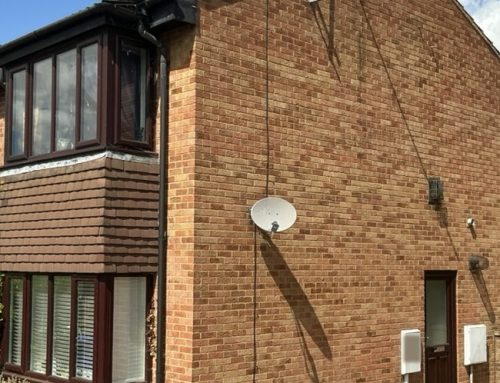
No, air conditioning does not affect your EPC rating. Domestic Energy Performance Certificates are calculated using RdSAP, and this methodology assesses space heating and hot water, not cooling. If you have searched does air conditioning affect an EPC rating because you are considering installing a unit, or because a survey has flagged one, you can rule out any change to your certificate score from that alone. Many homeowners assume cooling works the same way as heating on an EPC, and that assumption leads to unnecessary spending or unnecessary worry. This article explains why cooling sits outside the calculation, what genuinely does move your rating, and where the rules differ for larger commercial style systems.
Does air conditioning affect your EPC rating?
Air conditioning does not affect your EPC rating, whether you have a single wall mounted split unit or a small multi room system. It simply does not appear anywhere in the RdSAP calculation that produces the score. The assessment records your heating system, your insulation, your glazing, and your hot water arrangements. Cooling is not one of the inputs.
This surprises a lot of homeowners, because electric heating genuinely does affect the score, sometimes significantly, as covered in our article on electric panel heaters and EPC ratings. Air conditioning looks similar on paper, an electrical appliance drawing mains power, but it is treated completely differently because it is not part of how the certificate defines energy performance for a dwelling.

Why cooling is left out of the RdSAP calculation
RdSAP produces an asset rating: an estimate of how efficiently a building can be heated and supplied with hot water, based on standardised occupancy assumptions rather than how any individual household actually lives. Space heating and hot water are consistent, predictable demands across almost every home, which makes them suitable for this kind of standardised modelling, as we cover in our guide to key EPC components.
Cooling behaviour is far less consistent. Whether someone runs air conditioning for a few weeks a year or barely touches it depends heavily on personal preference and that summer’s weather, not the building itself. For that reason, fixed cooling has not been built into the domestic rating calculation, and RdSAP 10 has not changed that position. It is one of several assumptions worth understanding if you want to see through the more common EPC myths homeowners run into.
What TM44 covers, and why it rarely applies to homes
There is a separate compliance regime called TM44 that does assess air conditioning, but it exists for a different purpose entirely. TM44 inspections apply to systems with an effective cooling output above 12kW, typically found in offices, shops, and larger commercial buildings, not the split systems fitted in an ordinary house or bungalow. The requirement sits under the Energy Performance of Buildings (England and Wales) Regulations 2012.
If you have had TM44 mentioned to you in relation to a residential property, it is worth double checking the context, since it is very unlikely to apply to a standard domestic installation.
What actually affects your EPC rating
If you are investing in your home’s energy performance, your money is far better spent on the factors RdSAP does measure. These are the areas that consistently move a certificate:
- Heating system type and efficiency, including fuel source and controls
- Loft, wall, and floor insulation levels
- Glazing type and condition
- Hot water cylinder insulation, where applicable
- Airtightness, now more accurately reflected under RdSAP 10 where measured data is available
On a recent assessment in a 1990s semi detached home, the owners had just had air conditioning fitted throughout and were disappointed it made no visible difference to their certificate. What did change the result was loft insulation topped up that same month, which lifted the property by several points on its own. It is a useful reminder that comfort improvements and rating improvements are not always the same thing, and it is one of the common EPC assessment mistakes worth avoiding when you are planning where to spend.
Will this change under the Home Energy Model?
The government’s proposed replacement for RdSAP, the Home Energy Model, is expected to introduce new metrics covering fabric performance, heating systems, smart readiness, and energy cost. The formal response to the consultation on how these will be scored, including confirmed band boundaries, had not been published at the time of writing. Until that detail is confirmed, homeowners should not assume the current treatment of cooling will necessarily carry across unchanged, though there is nothing to suggest air conditioning should be a deciding factor in any purchase made today.

Frequently asked questions
If you are planning improvements and want to know what will genuinely move your EPC rating before you spend any money, get in touch.