Why Is My EPC Different from My Neighbours?
Introduction
It is common for homeowners to compare Energy Performance Certificate (EPC) ratings with nearby properties and wonder why the results differ, especially when homes appear similar. In reality, EPC assessments are highly detailed and property-specific. Even small variations in construction, heating, insulation, or upgrades can lead to noticeably different ratings.
Short answer: EPC ratings differ between neighbouring properties because each assessment is based on the specific construction, insulation, heating system, and energy features of the individual home, not its external appearance or location.
Key takeaway
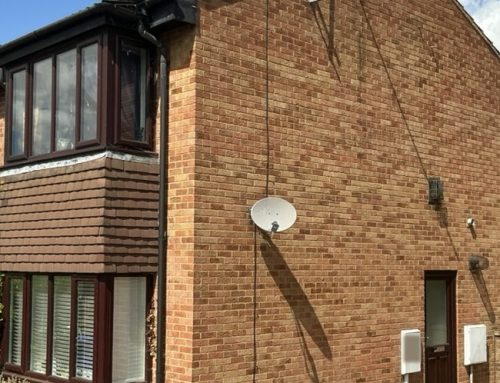
Two homes can look almost identical from the outside but still achieve different EPC ratings because the assessment is based on the actual building fabric, systems, and installed energy features inside each property.
Age and construction of the property
The age and construction type of a property have a strong influence on its energy performance rating. Older homes are more likely to have less efficient building materials, limited insulation, and older heating systems. Even properties built in the same period can differ if one has been extended, altered, or upgraded over time, which changes how heat is retained and lost.
Insulation levels and building fabric performance
Insulation is one of the most significant factors in determining an EPC rating. Differences in loft insulation, cavity wall insulation, solid wall insulation, and floor insulation all impact the final result. Even partial improvements, such as topping up loft insulation or insulating one element of the property, can create a measurable difference between two similar homes.
Heating system and controls
The type, age, and efficiency of the heating system play a major role in EPC outcomes. Modern condensing boilers, heat pumps, and well-controlled heating systems typically achieve higher ratings than older, less efficient systems. Heating controls such as programmers, room thermostats, and thermostatic radiator valves also contribute to overall efficiency. Secondary heating sources, such as open fires or log burners, can also influence the assessment outcome depending on how they are used and recorded.
Windows, doors, and heat retention
Glazing and external doors are important elements in reducing heat loss. Double or triple glazing generally improves energy performance compared to older single-glazed units. Differences in frame type, installation quality, and door insulation can all contribute to variation in EPC ratings between neighbouring properties.
Renewable energy technologies
Renewable energy systems can significantly improve an EPC rating. Solar photovoltaic panels, solar thermal systems, and other low-carbon technologies reduce reliance on grid energy and improve overall efficiency. If one property has installed renewable technologies and a neighbouring property has not, a noticeable difference in EPC rating is expected.
Extensions and property modifications
Extensions and alterations can affect energy performance in different ways. A well-insulated extension can improve overall efficiency, while an uninsulated or partially insulated addition can increase heat loss. Changes such as loft conversions, conservatories, or structural modifications can all influence the final EPC assessment result.
Lighting and minor efficiency factors
Lighting typically has a smaller impact compared to other factors, but it still contributes to the overall rating. Properties with a higher proportion of low-energy lighting, such as LED fittings, may achieve a slightly improved score compared to those using older lighting types throughout the home.
Common misconceptions about EPC differences
Many homeowners assume EPC ratings are based on appearance, street location, or general averages for similar houses. In reality, EPC assessments are individual and based on detailed property data collected during the inspection. Even two identical-looking homes can achieve different ratings depending on internal improvements, construction details, and historical changes.
Why EPC ratings vary between similar homes
EPC assessments are based on the actual construction and installed features of a property at the time of inspection. This means even small differences in upgrades, maintenance, or historical alterations can lead to different results. The rating is not a comparison between neighbours but an individual assessment of each home’s energy performance.
Frequently asked questions
Why is my EPC lower than my neighbour’s if our houses are the same?
Because EPC ratings are based on detailed property-specific data, even small differences such as insulation levels, heating systems, or upgrades can affect the final score.
Does the age of a house affect the EPC rating?
Yes. Older properties often perform differently due to construction methods and the standards in place at the time they were built.
Are EPC ratings compared between houses?
No. Each EPC is an individual assessment and is not benchmarked directly against neighbouring properties.
How to improve your EPC rating
If your EPC rating is lower than expected, there are several areas that may offer improvement opportunities, such as insulation upgrades, heating system improvements, or replacing older glazing. However, any changes should be considered carefully, particularly for rented properties, where minimum energy efficiency standards may apply.
It is advisable to seek guidance from a qualified energy assessor before making significant upgrades to ensure they are suitable for your property and circumstances.
What you should do next
If your EPC rating is lower than expected, the first step is to understand which specific elements are affecting your score. A qualified energy assessor can break this down and highlight the most cost-effective improvements for your property.
If you would like a clearer explanation of your EPC or want to improve your rating, Get in touch for professional advice.
If you’re comparing your rating with a neighbour’s after a recent reassessment, it’s also worth understanding why a new build EPC rating can drop once RdSAP replaces the on construction SAP certificate.